
Salt Lake City Jail Mugshots Guide
Salt Lake City Jail Mugshots usually start with a city police arrest and then move into the Salt Lake County jail system. If you need a report, a booking record, or a recent custody check, the city police records desk and the county inmate lookup tools are the main places to start. The records split can be confusing the first time. Some details stay with the police department. Booking data and custody status move with the jail. That means the right search path depends on what you are trying to find and how recent the arrest is.
Salt Lake City Quick Facts
Salt Lake City Jail Mugshots Search
The Salt Lake City Police Department keeps the arrest side of the record. Its main site at police.slc.gov explains how the department handles reports, online reporting, and records service. If you are looking for Salt Lake City Jail Mugshots, that is the first stop for city-level records. The department also keeps a GRAMA request portal at its records request page, where you can ask for police reports and related files.
Salt Lake City is the capital and largest city in Utah. That matters because the city sees a high volume of arrests, and not every piece of information stays with the police department. The police department handles the incident report. The jail handles booking and custody. The county court handles the case file. When you search Salt Lake City Jail Mugshots, you often need all three pieces to see the full path of the arrest.
Salt Lake City arrests are booked into the Salt Lake County Metro Jail or the Oxbow Jail Facility. The county also keeps a live inmate lookup and roster system. For basic custody checks, use the county search tools first. For report copies, use the city request portal. For court dates or filing history, use Utah Courts XChange. That split makes the search cleaner and keeps you from chasing the wrong office.
The city police homepage at Salt Lake City Police is the best place to begin if you want the local process in one view.

That page shows the department structure and points you to the right request path for Salt Lake City Jail Mugshots and related police records.
The records request portal at Salt Lake City Police GRAMA Requests is where the city routes written requests for reports and supporting documents.
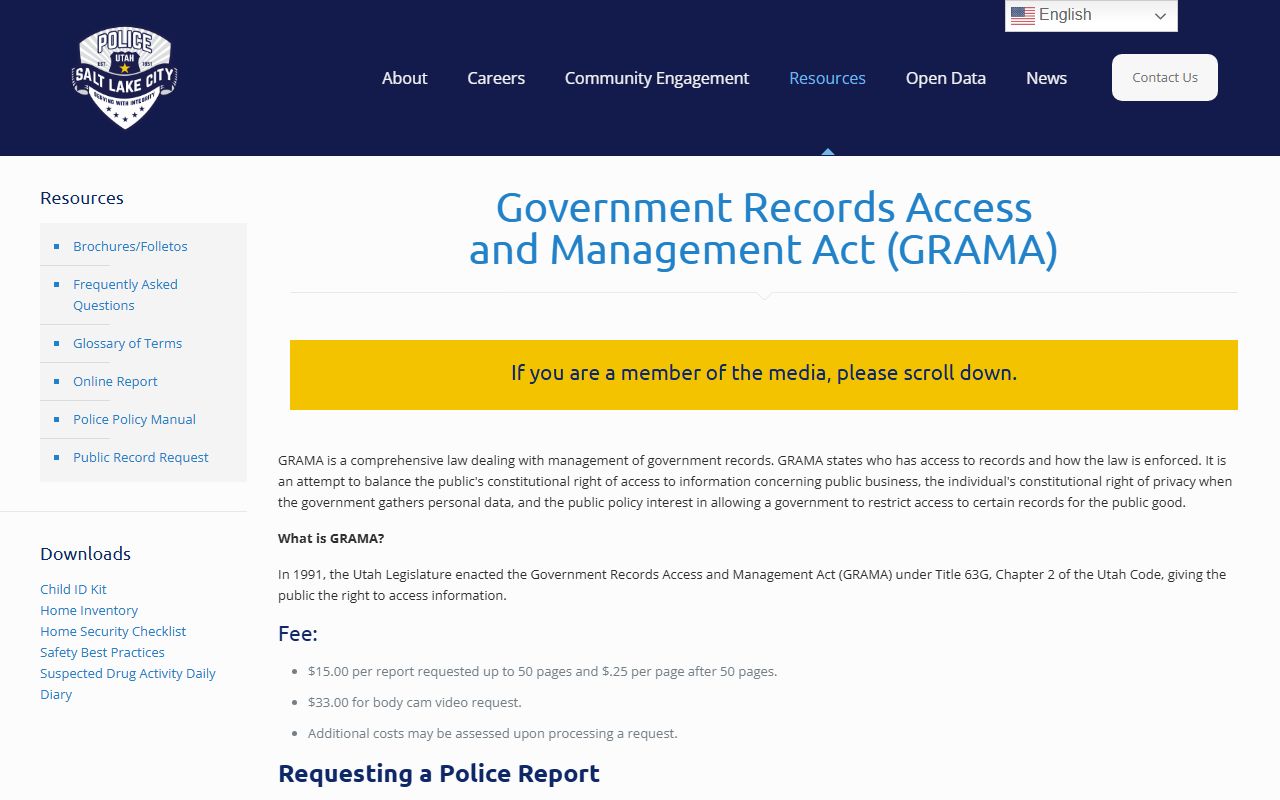
This request screen matters because many Salt Lake City Jail Mugshots searches end with a report copy, not a public image gallery.
Salt Lake City Jail Mugshots and County Booking
Most Salt Lake City arrests move quickly into Salt Lake County custody. The county operates the Metro Jail and the Oxbow Jail Facility, and the county inmate lookup tools at Find a Prisoner and Jail Dockets and Rosters are the fastest way to check status. The corrections bureau page at slco.org/sheriff/corrections gives you the broader jail context.
The county roster is useful because it usually tells you more than a city report. You may see full legal name, booking photo, charges, bond amount, housing unit, and custody status. The county also notes that certain personal identifiers are removed from the public roster under Utah privacy rules. That is a practical limit, not a dead end. If a Salt Lake City Jail Mugshots search does not show everything you need, the county roster can still tell you where the person is held and whether the case is still active.
For court-side records, Salt Lake City case information can also be checked through Utah Courts XChange. XChange is not a mugshot gallery. It is the court lookup system. It helps you tie the arrest to the next step in the case. When you combine the city report, the county jail record, and the court file, the picture gets much clearer.
Salt Lake City Jail Mugshots Records
Salt Lake City Jail Mugshots searches often turn into records requests because not every item is public in the same place. GRAMA shapes that process. The state forms page at Utah GRAMA Forms explains the written request path, and Utah law sets the timing rules for agency responses. The police department says incomplete forms without fees are not processed, so a clean request helps move things along.
If you are asking for a report, keep the request narrow. Give the date, time, location, and names if you know them. That is the fastest route. It also helps when the arrest happened recently and the city file is still being reviewed. Some people want a custody check. Others need a copy of the report. A few want both. Salt Lake City records staff can handle the request, but the better your details, the faster the search.
When you need to know what the arrest record contains, the safest path is to ask for the police report and then use the county jail tools for booking data. Salt Lake County often shows the live custody side, while Salt Lake City keeps the incident side. That division is normal. It is also why a Salt Lake City Jail Mugshots search sometimes needs two or three offices before it is complete.
- Full name of the person arrested
- Date and approximate time of the arrest
- Incident location or report number
- Any known booking or case number
Note: Salt Lake City Jail Mugshots records are easier to track when you use the city report and the county custody record together.
Salt Lake City Jail Mugshots Fees and Copies
The city fee schedule matters when you want a report copy rather than just a custody check. Salt Lake City Police says police reports cost $15 per report for up to 50 pages, and then $0.25 per page after that. Traffic accident reports use the same base fee. Photocopies are $0.10 per page. Photographs cost $12.25 per case. Body cam video costs more, and staff time can be charged when the request needs review or redaction.
Those costs are useful to know before you send a request. A short request is often the cheapest route. A long request can add staff time and media costs. The city also says valid government-issued photo ID is required for access, and it lists accepted forms of ID on the GRAMA portal. A driver privilege card is not accepted. That rule is easy to miss if you have not used Salt Lake City records before.
For most Salt Lake City Jail Mugshots searches, the city report and county roster do different jobs. The report tells you what happened. The roster tells you where the person is now. If you need the court side too, use XChange. If you need a statewide criminal history for your own record review, use the Bureau of Criminal Identification at BCI Criminal Records. That keeps the search local but still complete.
Salt Lake City Jail Mugshots and State Records
When a Salt Lake City search goes beyond the city and county file, the state resources help fill the gaps. Utah Department of Corrections Offender Search at corrections.utah.gov/offender-search covers state prison inmates, not county jail arrestees. That distinction matters. It helps you avoid mixing prison custody with a city arrest. The statewide warrant search at secure.utah.gov/warrants is also useful when a mugshot search leads to a warrant check.
Salt Lake City Jail Mugshots searches can also connect to later court action. XChange lets you look at case information, hearings, and public court documents. That makes it easier to tell whether the arrest is still active, has moved into district court, or has already been resolved. It is not the same thing as the police report, and it is not the same thing as the jail roster. Each source has its own job.
Note: Utah privacy rules can limit what you see in a public roster, but they do not erase the basic record path. City police, county jail, and court records still connect if you know where to look.
Salt Lake County and Nearby Cities
Salt Lake City sits at the center of the county system, so nearby city searches often point back to the same jail and court channels. If you need a different Salt Lake County city, start with the city police records request and then move to the county custody tools. That path stays the same for most local arrests. It is direct. It is also the safest way to avoid a missed record.
If the city record is thin, the county roster and the court file usually fill the rest of the trail.